Custom Rooflights for Stylish Interiors
Common Myths About Rooflights Debunked: What Every Homeowner Should Know
A great many homeowners hold misconceptions about rooflights. They frequently assume these installations are weak and prone to leaks. However, modern advancements in technology and materials dispute this assumption. Grasping the realities of rooflight durability and efficiency can transform these perceptions. The implications for home design and energy efficiency are considerable. Investigating these realities could reveal why rooflights are becoming an increasingly popular choice among homeowners. What aspects should be evaluated before installation?
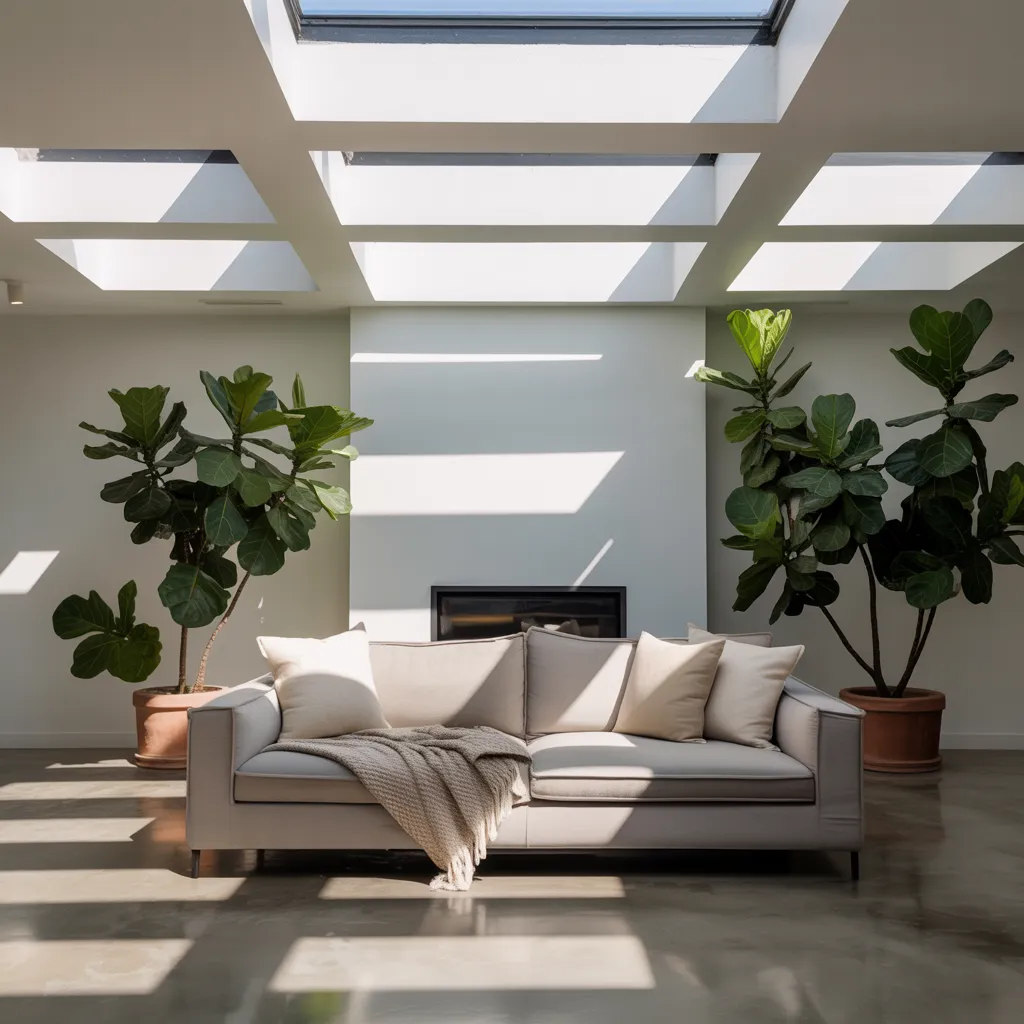
How Rooflights Increase Natural Light in Your Home
Even though many homeowners fail to recognize the importance of rooflights, these structural elements can significantly increase the level of natural light that flows into a living space. With the thoughtful installation of rooflights, homeowners are able to convert dim, confined spaces into light-filled, inviting areas. In contrast to conventional windows, rooflights enable sunlight to enter from overhead, limiting dark patches and enhancing overall brightness during all hours of daylight.
The dimensions and style of rooflights can greatly impact lighting conditions. Bigger or additional rooflights can generate a more spacious atmosphere, while cylindrical alternatives can direct natural light into compact areas. Additionally, rooflights can enhance the general atmosphere, causing indoor areas to description appear more expansive and appealing.
Additionally, the application of superior glazing confirms that the benefits of natural light are maximized while minimising heat loss. As such, rooflights not only improve the visual appeal but also support a more agreeable and energy-conscious home setting.
Understanding the True Cost of Installing Rooflights: What to Anticipate
When considering the fitting of rooflights, homeowners frequently neglect the associated costs, which can fluctuate substantially based on a number of variables. The upfront cost typically encompasses the price of the rooflight itself, workforce costs, and any required structural changes. According to the style of rooflight—whether fixed, vented, or tubular—costs can span from hundreds to thousands of dollars.
Moreover, installation complexity plays a significant role; a simple installation on a level roof may be more affordable than one that requires extensive alterations to a angled roof. Homeowners should also account for required permits and evaluations, which can raise the final price.
Fundamentally, comprehending these aspects empowers homeowners to allocate resources appropriately and make educated determinations about integrating rooflights within their living spaces, ensuring they achieve both aesthetic and functional benefits without surprising economic stress.

How Do Rooflights Improve Your Energy Efficiency?
Rooflights deliver notable improvements for energy efficiency through improved natural light utilization and better insulation properties. By optimizing natural daylight, they reduce the need for artificial lighting, leading to lower energy consumption. Additionally, modern rooflights are designed to retain heat, helping to create a more consistent indoor environment and reduced heating costs.
Natural Light Benefits
The significant influence of natural light can significantly improve energy efficiency in homes. Rooflights allow a generous amount of sunlight to flood living spaces, minimizing the reliance on artificial lighting during daylight hours. This not only decreases energy consumption but also creates a more appealing and enjoyable environment. By utilizing natural light, homeowners can achieve more luminous living spaces, which can positively impact mood and productivity. Moreover, daylighting can aid in managing indoor temperatures, minimizing reliance on heating and cooling systems. Over time, these benefits can lead to significant energy savings, positioning rooflights as a wise choice for eco-minded homeowners. Overall, incorporating natural light through rooflights is a practical approach to improving energy efficiency.
Heat Retention and Insulation
Frequently underestimated, insulation and heat retention serve critical functions in the energy performance of a residence, and rooflights can greatly enhance these aspects. Modern rooflights are designed with advanced glazing technology that limits heat loss while enhancing natural light. This progressive design assists in maintaining a comfortable indoor temperature, lowering dependency on heating units during colder months. Additionally, premium rooflights can help avoid overheating in warmer seasons by facilitating adequate ventilation. When strategically placed, they can establish a more regulated indoor environment, leading to decreased energy expenses. Residents can appreciate the visual advantages of natural light without compromising on energy efficiency, making rooflights an intelligent choice for eco-friendly living. Overall, rooflights contribute markedly to improved insulation and heat retention.
Clearing Up Myths About Rooflight Durability
How can one assess the longevity of rooflights in light of common misconceptions? Numerous property owners incorrectly assume that rooflights are fragile and prone to damage. In reality, modern rooflights are manufactured using durable materials such as laminated glass and polycarbonate, built to endure extreme weather conditions. These materials are thoroughly evaluated for UV stability and impact resistance, ensuring they maintain their structural integrity long-term.
Another widespread belief is that rooflights require frequent replacements due to everyday wear. That said, with appropriate fitting and care, rooflights can stand the test of time. Routine checks and cleaning can avoid frequent problems, such as moisture buildup or leaks.
Furthermore, certain homeowners assume that rooflights inherently compromise energy efficiency. Even so, with improvements in glass technology, a wide range of rooflights now feature impressive insulation properties, boosting the overall conservation of energy. Being aware of these truths can enable homeowners to reach informed decisions about the durability of rooflights.
Tackling Frequent Installation Difficulties
Maneuvering the complexities of rooflight installation can create considerable obstacles for contractors and homeowners alike. One prevalent challenge is achieving proper structural support; inadequate reinforcement can lead to leaks or structural failure. Homeowners must also navigate local building codes and regulations, which can vary greatly by region. Failing to adhere to these rules may cause costly fines or the need for costly alterations.
Another challenge involves choosing the appropriate materials and configurations compatible with the existing roof framework. Misalignment during installation can cause energy inefficiencies and heighten the likelihood of water infiltration. Moreover, adverse weather may delay the installation schedule, making it vital to account for these factors.
To address these challenges, consulting with experienced professionals is essential. They can provide valuable insights and guarantee that the installation process adheres to safety standards and best practices. Careful planning and professional guidance can result in a successful rooflight installation that improves natural light while preserving the integrity of the home.
How Rooflights Can Add Value to Your Home
Installing rooflights significantly improves a home's aesthetic appeal and functionality, ultimately increasing its market value. By allowing natural light to flood home spaces, rooflights establish an inviting environment that can draw in interested buyers. This increase in natural illumination often results in a feeling of openness, making rooms appear bigger and more appealing.
In addition, rooflights enhance energy efficiency by minimising dependence on artificial lighting during the day, which can lower electricity bills. Residences with energy-efficient elements are progressively sought after, additionally enhancing their market appeal.
Additionally, the exceptional design elements that rooflights deliver can differentiate a property from others in the market. A strategically positioned rooflight not only adds visual appeal but also complements modern architectural trends, attracting contemporary buyers. All things considered, the incorporation of rooflights can be a smart investment, boosting both design appeal and usability while elevating the property's total market value.
Common Questions and Answers
Can Rooflights Be Installed in Any Type of Roofing?
Rooflights may be fitted in multiple roofing types, including thatched, flat, and pitched roof styles. Nevertheless, particular installation approaches and materials may need to be adapted, requiring professional assessment to guarantee proper functionality and aesthetic integration.
Are Rooflights Appropriate for Every Weather Condition?
Rooflights are generally suitable for various weather conditions, but their performance relies on construction and material choices. Correct installation and regular maintenance are essential to confirm they hold up against severe temperatures, intense rain, and various environmental demands.
How Do Rooflights Affect Indoor Temperature Year-Round?
Rooflights have a significant impact on internal temperatures across all seasons. During summer months, they can contribute to higher temperatures, whereas in winter, they assist in preserving heat. Adequate insulation and shading solutions are key to achieving optimal temperature regulation and energy savings.
What Maintenance Is Required for Rooflights Over Time?
Roof lights need regular cleaning to prevent dirt buildup, periodic inspections for leaks or damage, and occasional resealing to maintain energy efficiency. Furthermore, property owners should confirm adjacent structures do not impede light or ventilation over time.
Are Rooflights Compatible With Solar Panel Integration?
Yes, rooflights can be integrated with solar panels, enabling natural light to enter while capturing solar energy. This combination enhances energy efficiency and can provide significant savings on electricity bills for homeowners looking for eco-friendly alternatives.